

September 16, 2026
STAFF WRITER
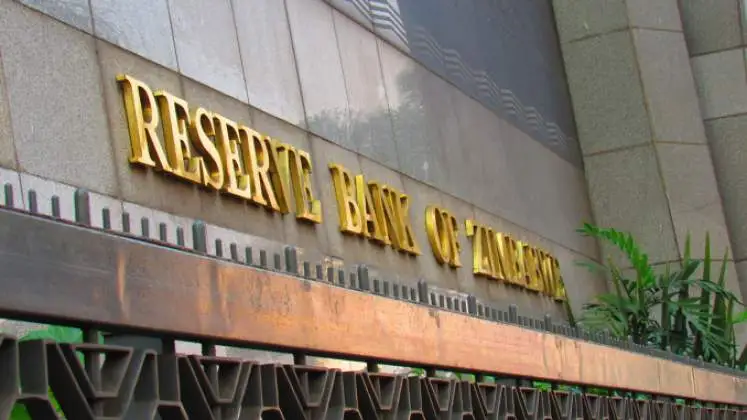
Banks should not cap loan tenures at 2027 on the assumption that Zimbabwe will have returned to a mono-currency regime by then, Reserve Bank of Zimbabwe (RBZ) Governor Dr John Mushayavanhu said, stressing that the transition will be determined by economic conditions rather than a fixed deadline.
“Banking institutions should not limit lending tenures to 2027 because the transition to mono-currency is no longer date-based, but is based on the conditions presented,” Dr Mushayavanhu said.
The comments, made this week at the commissioning of Ecobank Zimbabwe’s new headquarters in Harare, mark a significant clarification of the Government’s approach to the long-discussed return to a mono-currency system and remove the assumption that Zimbabwe will automatically make the switch in 2027.
Instead, Dr Mushayavanhu said the transition would be market-led and dependent on the country meeting conditions set out under the National Development Strategy 2 (NDS2), including sustained macro-economic stability, adequate foreign currency reserves and an efficient foreign exchange management system.
“Let me reiterate that the transition to mono-currency, which has been talked about, is going to be market-led.
“It is no longer date-based but contingent upon meeting conditions precedent outlined in the National Development Strategy 2,” he said.
The clarification is important for borrowers and lenders, particularly for long-term financing decisions, as it removes the expectation that loans extending beyond 2027 would necessarily face a currency regime change.
Dr Mushayavanhu said Zimbabwe had made progress on some of the conditions, particularly maintaining low and stable inflation and improving the efficiency of the foreign exchange market.
Authorities expect annual inflation to remain in single digits, while monthly inflation is projected to remain below 1%.
Foreign currency reserves, however, remain a major gap.
Dr Mushayavanhu said Zimbabwe currently had between 1.7 and 1.8 months of import cover, below the NDS2 medium- to long-term target of three to six months.
“We are sitting at about 1,7 to 1,8 months of import cover, we still have a way to go, but we will get there,” he said.
Import cover measures the length of time a country’s foreign currency reserves can finance imports and provides an important buffer against external shocks, balance-of-payments pressures and foreign currency shortages.
The RBZ’s position means Zimbabwe needs to build a significantly larger foreign currency reserve cushion before reaching even the lower end of the three-month threshold.
The country’s current account is expected to remain in surplus at about US$2.5bn this year, supported largely by diaspora remittances and merchandise exports.
The focus on reserve accumulation reflects lessons from Zimbabwe’s previous currency transitions.
Dr Mushayavanhu said Zimbabwe had, however, made progress in establishing an efficient foreign exchange management system designed to reduce market segmentation and improve access to foreign currency for legitimate transactions.
“I think that one, we are already there,” he said.
An efficient foreign exchange market is central to the transition because persistent distortions between formal and parallel markets can undermine confidence, raise business costs and fuel price instability.
Under NDS2, macro-economic stability is a cornerstone of Zimbabwe’s development strategy, with the Government seeking to create conditions for sustainable economic growth and advance the country towards its Vision 2030 targets.